Blog
Do you know how we remove dioptre and astigmatism with laser?
All refractive errors are correctable with the laser under one go.
The World Health Organization has recently included dioptres into the category of disability – as a response to the needs of many people with dioptres, who always felt that way. Fortunately, today it is possible to solve this problem in quick efficient and safe manner.
Every year there is an increase in the number of people who decide to solve the problem of dioptres by laser surgery. The truth is the number of people with dioptre increases so it is often talked about the “epidemic” of short-sightedness, and since recently scientists have clarified the reasons why this is happening. It is estimated that more than 2 million people are being treated annually. With that being said, time laser visual correction goes under one of the most performed procedures performed at the patient’s request with the highest degree of satisfaction (as much as 97% according to the US Food and Drug Administration).
Refractive errors: short-sightedness, farsightedness and astigmatism
Refractive errors most often are caused by a greater or smaller eyeball length. In the short-sightedness, due to the greater elongation of the eyeball, the light rays are refracted over the cornea and the lens and they cut off in front of our centre of vision (yellow spots), while in the far-sightedness they are refracted at the imagined point behind the yellow spot. In first case, we need a minus dioptre to correct our blurred vision at a distance. In the case of farsightedness, we do not see the near proximity, but the distance is not the best either. Short sight or minus dioptre is much more common.


Astigmatism or cylinders are related to the irregular curvature of the cornea in different directions, which results in an unclear image of objects (usually overlapping images).

All refractive errors are correctable with the laser under one go.
Above 90% of people with dioptres are good candidates for a laser.
To access laser dioptre removal, it is important to make a comprehensive overview in order to determine if you are a good candidate for laser dioptre removal. The conditions are that you are of age of 18 years old and above with dioptre that has not changed for at least a year with healthy cornea and eyes and that the cornea is thick enough. Why? Dioptres and astigmatism are removed with a laser beam that remodels the front surface of the eye and corrects the refractive error in order to resolve the addiction of glasses or lenses.
Laser vision correction – methods
Surface PRK was the first generation of laser vision correction and has undergone numerous improvements over the years. Still in use today, this method is performed on people with thin corneas or patients with certain other limitations, such as scarring.
LASIK is today the most commonly performed method of vision correction and is considered the gold standard worldwide for comparing the success of all other methods. The procedure is performed under topical (drop) anesthesia in two steps. The first step involves creating a corneal flap, and the second involves reshaping the cornea using an excimer laser. After the cornea is reshaped, the flap is repositioned onto the cornea, where it adheres within a few minutes and fully heals within a few hours, without the need for stitches or bandages, allowing for a fast and comfortable recovery of both the eye and visual acuity. Two methods of creating the flap are available today.
The first, older method involves using an electric blade called a microkeratome to create the flap, while the more modern femtosecond method uses a different type of laser (a femtosecond laser) to create the flap.
The introduction of the femtosecond laser (FemtoLASIK) significantly improved the precision of LASIK, reduced LASIK’s surgical risks by a factor of 1000, and considerably improved flap healing, thereby significantly reducing the already very rare possibility of traumatic flap displacement in the future.
LASIK methods, whether performed using a microkeratome or a femtosecond laser, can correct a wide range of refractive errors: myopia up to -10.00, hyperopia up to +6.00, and astigmatism up to ±6.00.
The third generation of laser vision correction, lenticule extraction, brought further advances and additionally shortened recovery time. With this method, a single laser in a closed system creates a small piece of tissue (a lenticule) shaped according to the patient’s refractive error, which is then removed through a tiny incision. The closed system and minimal invasiveness of the procedure have virtually eliminated limitations in post-operative recovery.
The choice of method depends on individual predispositions, namely the eye’s parameters, the degree of refractive error, and the patient’s habits.
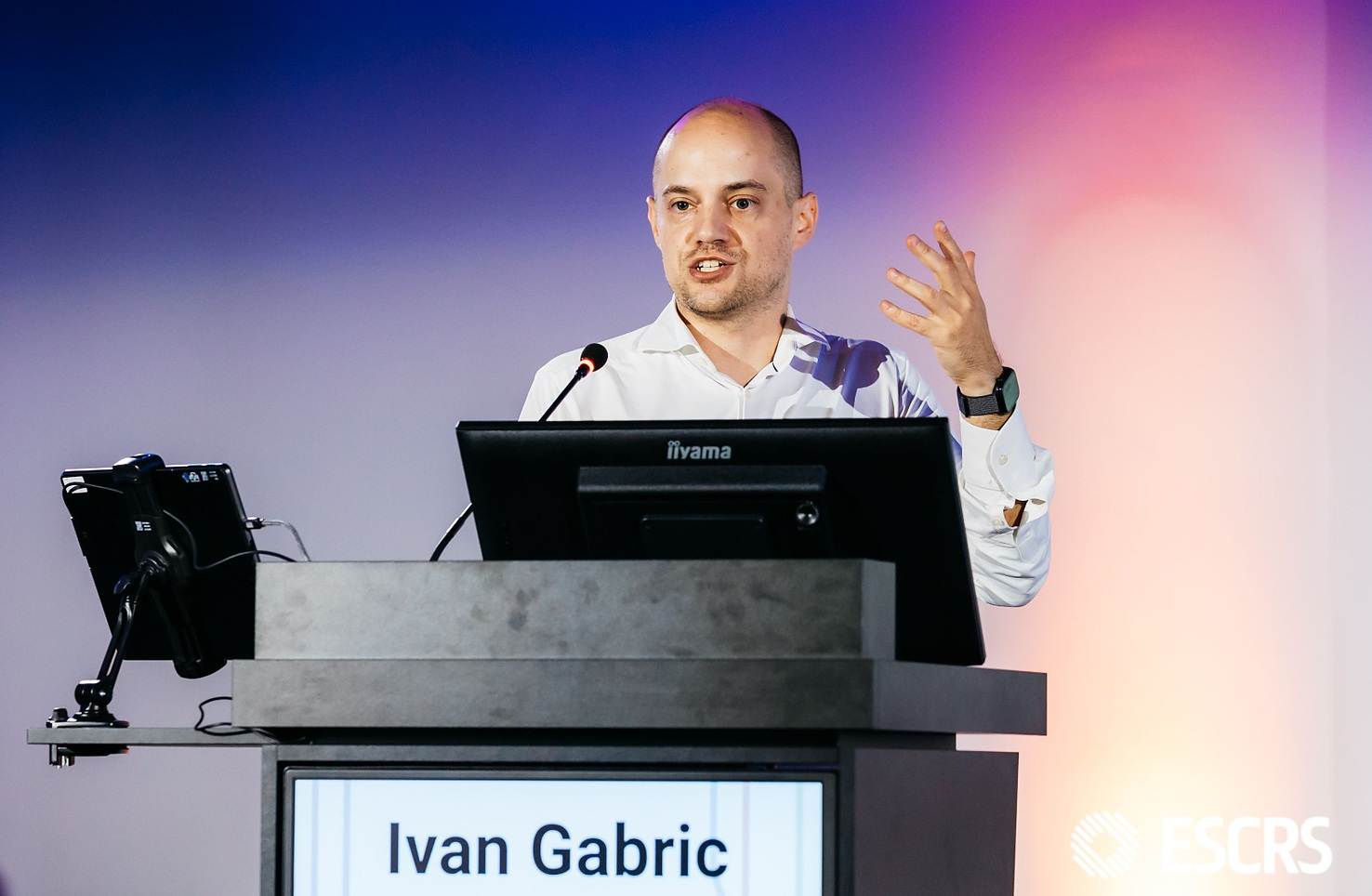
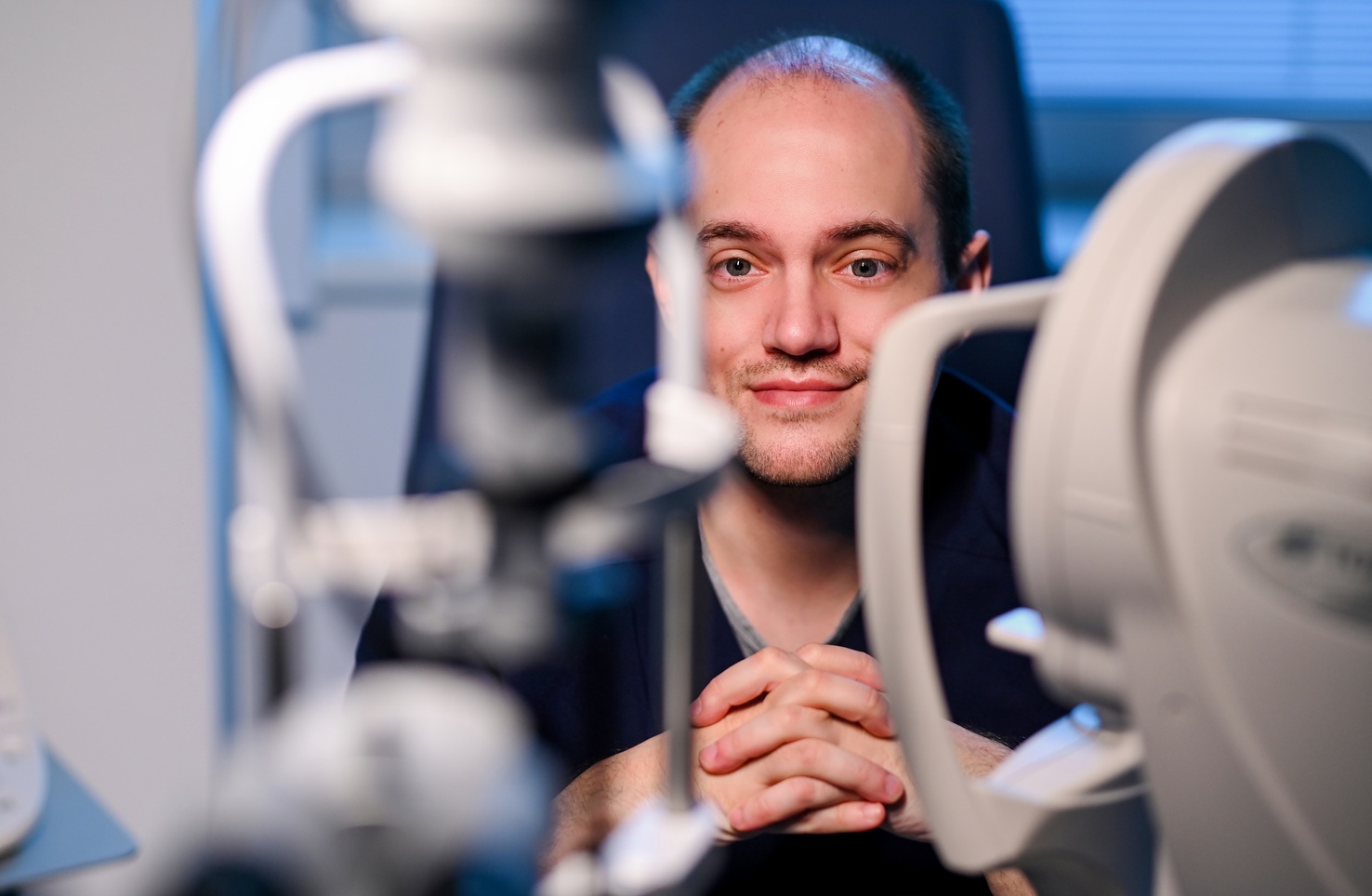
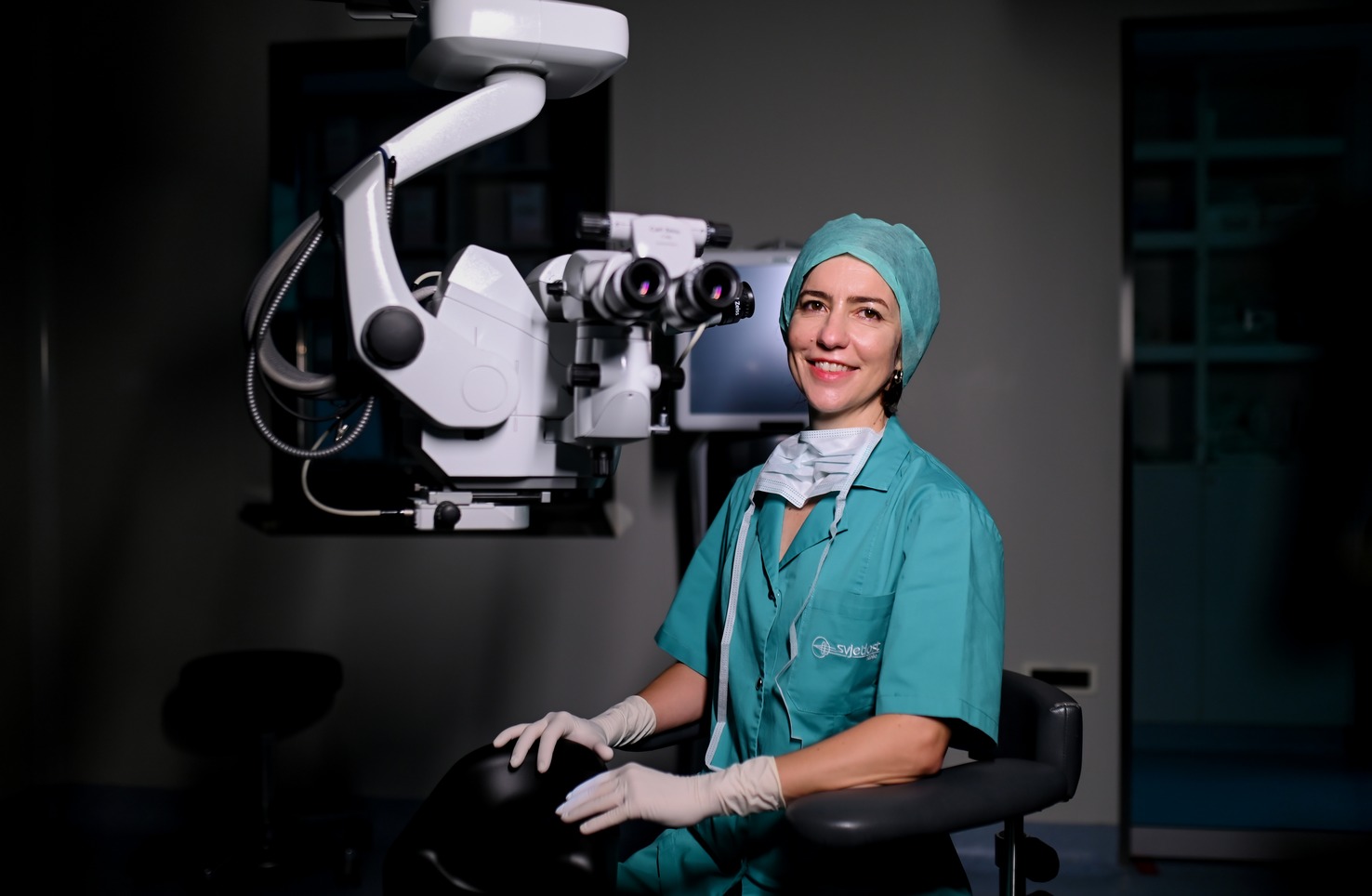
Professor Maja Bohač performed the first third-generation Smart Sight laser vision correction procedure in Europe and the first SMILE procedure in Croatia, while Dr. Ivan Gabrić became the first surgeon in the world to perform the SILK procedure using the “Elita” laser.
Istražite naše novosti i stručne blogove
News & Expert advice
-
![]()
News
Svjetlost Eye Clinic at the 44th ESCRS Congress
Leading world ophthalmologists in London.
-
![]()
News
When is the best time for laser vision correction?
Dr. Ivan Gabrić reveals whether there is an ideal time of year for the procedure.
-
![]()
News
New Academic Title for Prof. Maja Bohač, MD, PhD
A success that deserves attention. Congratulations!