
News
Croatian surgeon becomes second in the world to perform a new laser vision correction method
We are sharing an article from the Index.hr news portal about the outstanding achievement of our Ivan Gabrić, MD, in the field of ophthalmology.
In the morning, you fumble around on your nightstand looking for your glasses. You walk into a warm room and your lenses fog up. In the evening, you can’t wait to take out your contacts. If you wear glasses or contacts, all of this is familiar. That’s why many people feel their glasses and contact lenses are like renting their eyesight: you pay for it, maintain it and renew it, but it’s never quite yours.
That’s why more and more people are considering laser vision correction. But some have already been told at an eye exam that they aren’t good candidates because their prescription is too high or their cornea is too thin. For some of them, there is now a new solution.
What is EASE?
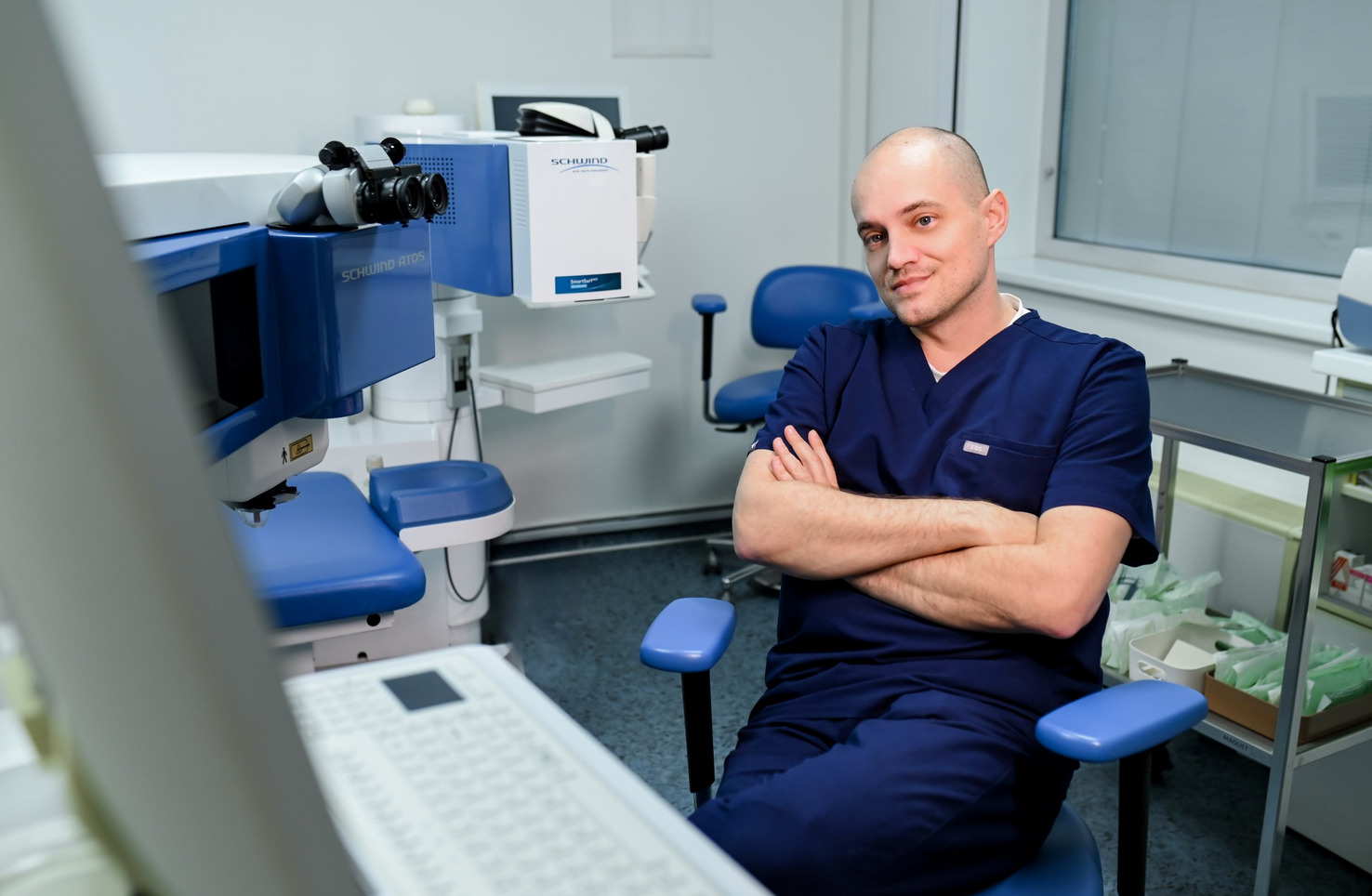
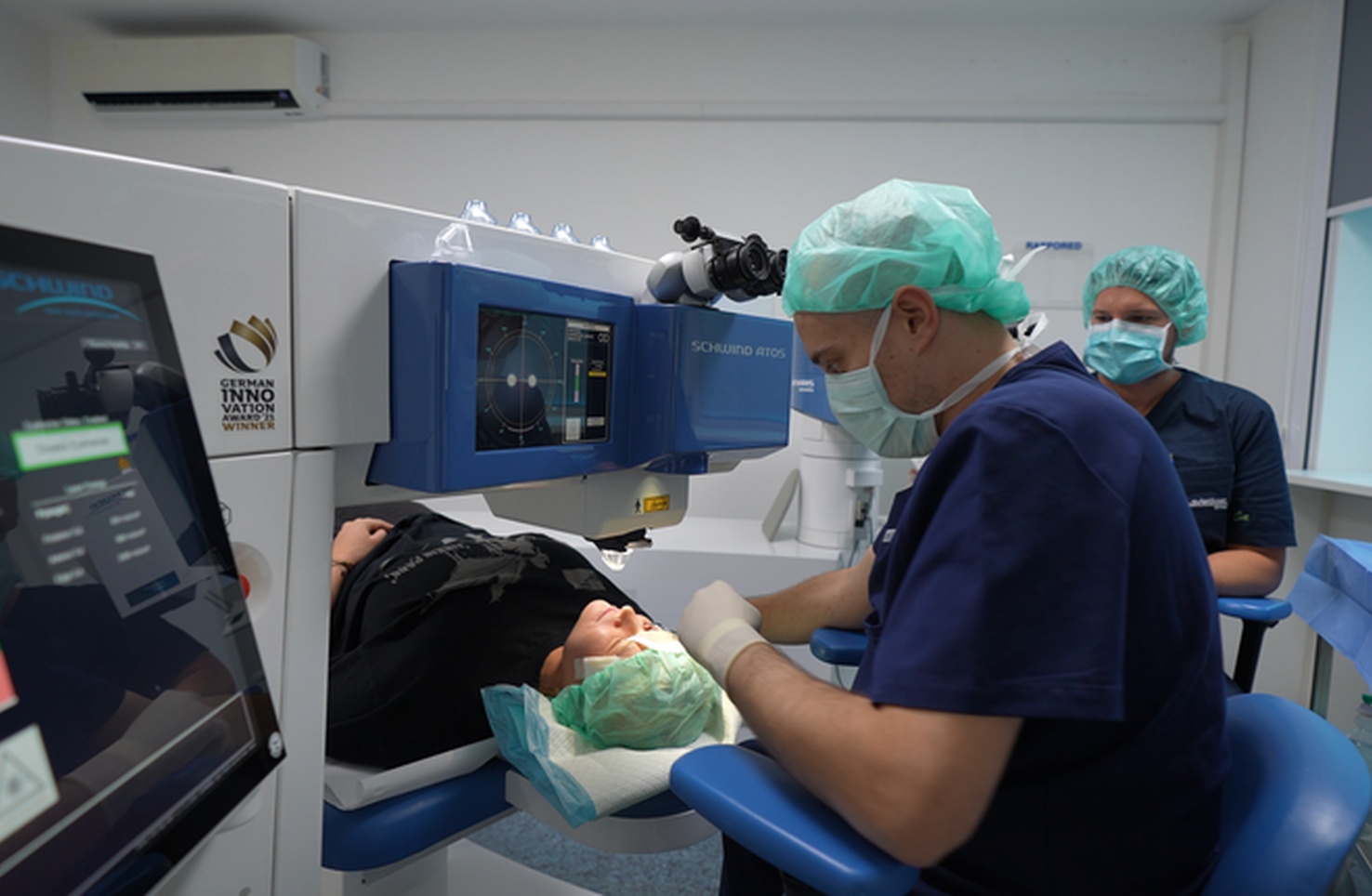
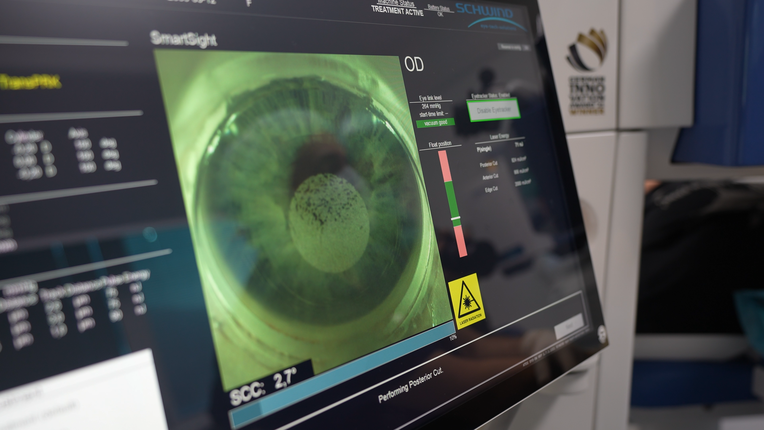
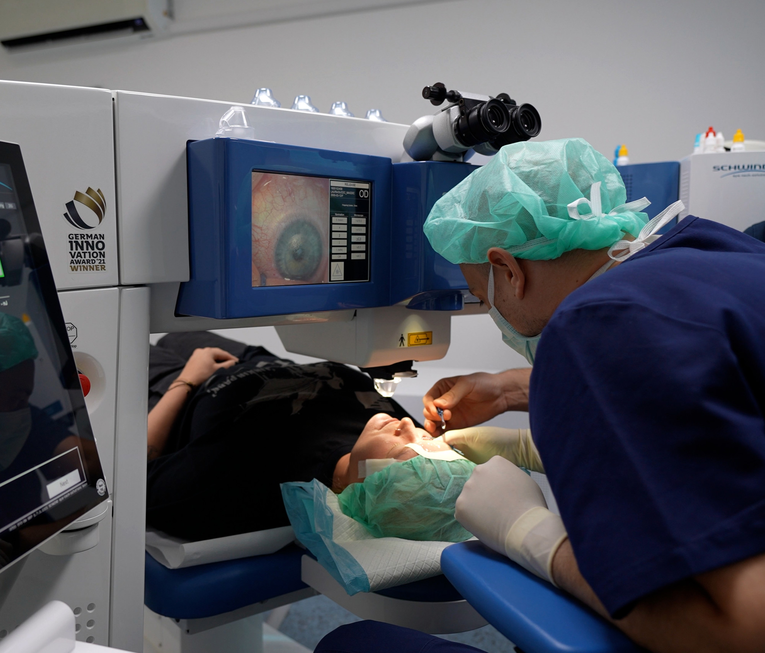
EASE (Epithelial All-femtosecond Surface Excision) is the newest surface method of laser vision correction. It was developed by the German company SCHWIND eye-tech-solutions and is performed with the SCHWIND ATOS femtosecond laser. Svjetlost Eye Clinic is one of the first clinics in the world to use it.
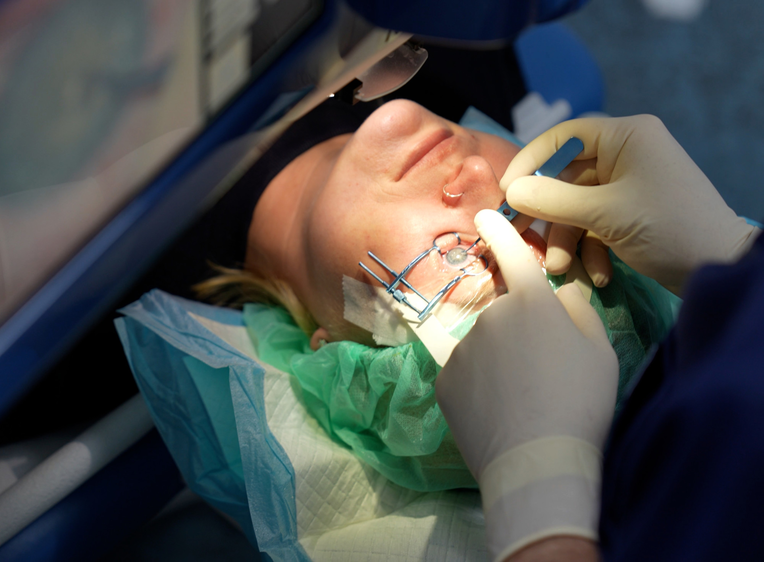
Laser vision correction changes the shape of the cornea, the clear front part of the eye, so that light focuses properly on the retina. In the EASE method, the laser shapes a thin layer of tissue just below the corneal surface. This layer, called a lenticule, is calculated to match the patient’s prescription. The surgeon then removes it in one piece, together with a thin surface layer of the cornea.
Earlier surface methods removed tissue gradually by vaporising it with an excimer laser. EASE does this without an excimer laser, and also without the corneal flap used in LASIK.
Put simply, the new method lets the laser precisely shape and separate the tissue that needs to be removed to correct the prescription, instead of removing it gradually, layer by layer. Because no corneal flap is needed, the method may be especially attractive to people with thinner corneas.
A Croatian surgeon among the first in the world
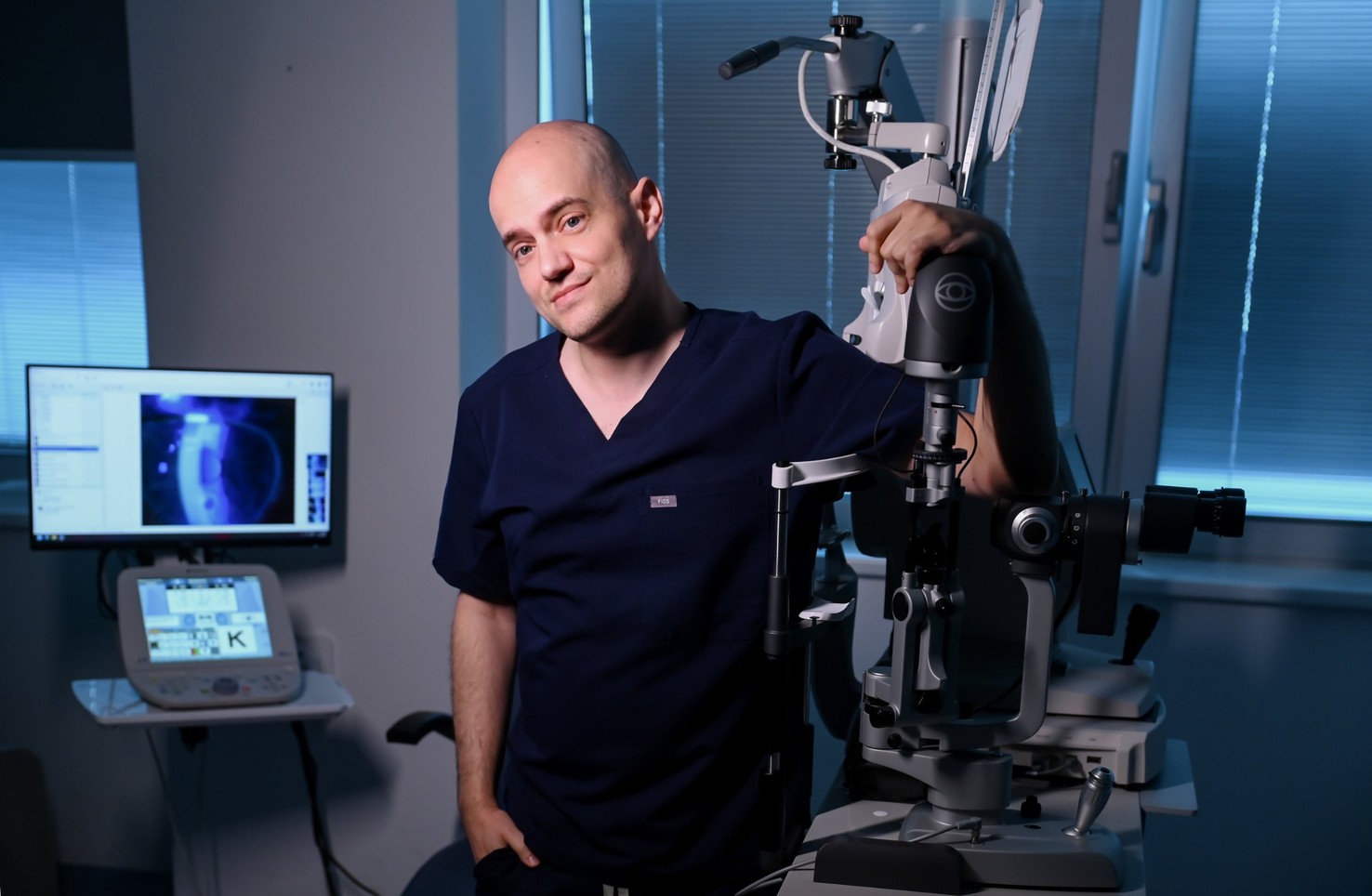
Dr Ivan Gabrić, an ophthalmologist at Svjetlost Clinic, is the second surgeon in the world to have performed the EASE procedure. He developed and refined the method’s surgical protocol in his day-to-day practice. In September 2026, he presented the results in London at the 44th Congress of the European Society of Cataract and Refractive Surgeons (ESCRS), before Europe’s leading experts in refractive surgery.
“All the things that were drawbacks of the 40-year-old surface method have been solved by the engineers at SCHWIND and our team. EASE has been performed in Croatia for a year and a half, and the results are phenomenal. We are now starting commercial use of this technology,” said Gabrić.
Gabrić explained that Svjetlost is sponsoring a clinical study that has examined this new vision correction method down to the smallest detail.
“Seven centres around the world are currently linked with us. Literally every letter the patient reads, every signature and every result is monitored, so that we can show the world that this method is even better and even safer than the 40-year-old gold standard,” Gabrić told Index.
Who is EASE for?
EASE corrects nearsightedness of up to -12 dioptres. It is especially suited to people whose doctor recommends a surface procedure: people with thinner corneas, athletes, and those who want to avoid having a flap created because of their job. If your prescription has so far been too high or your cornea too thin for other methods, it’s worth booking another eye exam.
The exam decides whether you’re a candidate. It measures the thickness and shape of your cornea and checks how stable your prescription is and the condition of the eye’s surface. The doctor then recommends the method that best suits your eye.
What are the procedure and recovery like?
The procedure is performed under anaesthetic eye drops and takes a few minutes. Afterwards, a protective contact lens is placed on the eye, and the corneal surface heals naturally underneath it.
Your vision is blurry for the first few days, and most patients see well after about a week, when the lens is removed. Vision then continues to sharpen gradually over the next few weeks. All follow-up visits in the first year after the procedure are included in the price.
Why autumn?
Recovery after a surface procedure needs a few weeks of care: eye drops, check-ups, and caution with swimming and makeup. In autumn, this fits into everyday life much more easily than in summer, with its trips to the seaside, swimming pools and strong sun.
The first step is an eye exam
Laser vision correction doesn’t guarantee you’ll never need glasses again, but it gives many people a daily life without them. If you’re considering it, the first step is an exam that will tell you which method is right for your eyes.
Book an exam and learn more about the EASE method on the Svjetlost website.
Istražite naše novosti i stručne blogove
News & Expert advice
-
![]()
News
Svjetlost tests the reliability of advanced vision diagnostics across more than 30,000 scans
A scientific paper by Ivan Gabrić, Ivan Samuel Modrić and Filip Grulović, based on a registry of 2,533 eyes, shows how important standardised image acquisition and quality control are for a reliable assessment of the eye's optics.
-
![]()
News
Laser Vision Correction – A New Method for Even More Precise Surgery
The respected scientific journal Translational Vision Science & Technology (TVST), published by the American association ARVO, has published a paper on a new method that makes laser vision correction even more precise.
-
![]()
News
Three-Day Complex Strabismus Surgery Programme Successfully Completed
The operations were performed together with Prof. Oliver Ehrt, MD, continuing the long-standing collaboration between Svjetlost Eye Clinic and LMU Klinikum in Munich.