News
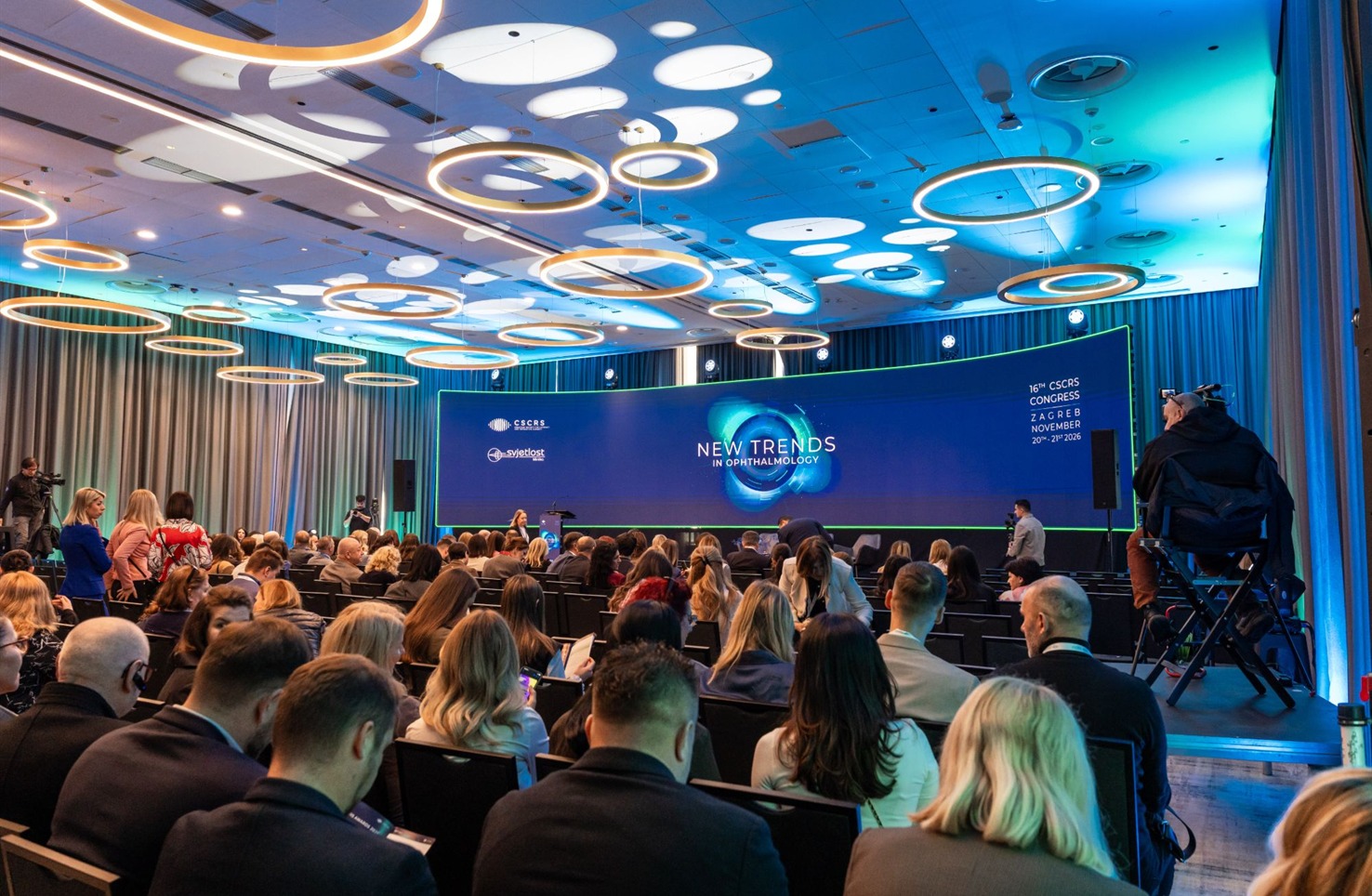
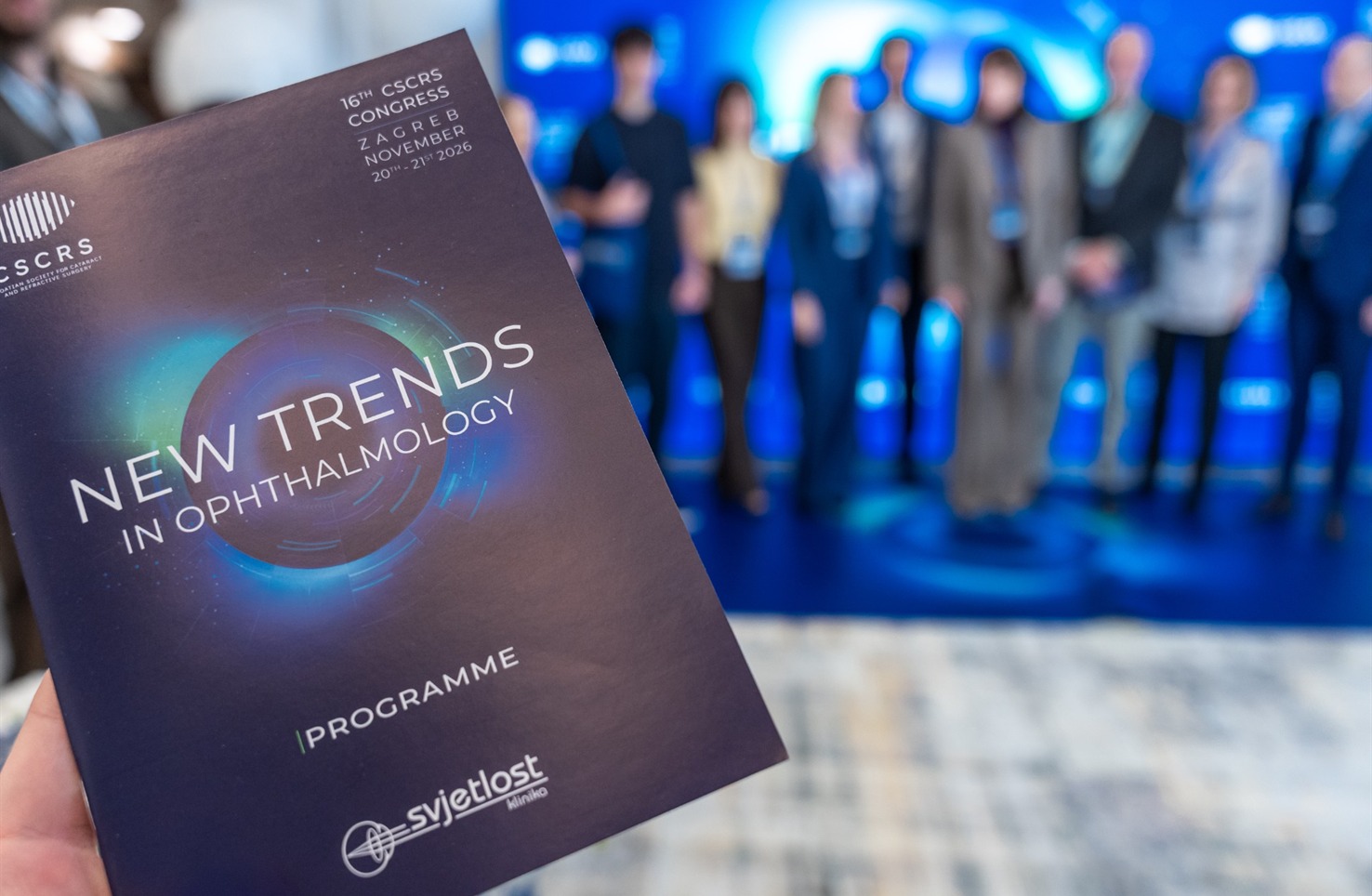
16th Croatian Society for Cataract and Refractive Surgery Congress
Dr Ivan Gabrić, Dr David Sung Yong Kang and experts involved in developing SCHWIND technologies presented new directions in refractive surgery. Day two also covered corneal disease and intraocular lenses, and included a hands-on workshop on dry eye.
Day two of the 16th “New Trends in Ophthalmology” congress opened with results from young physicians at Svjetlost Clinic. They presented outcomes from more than 3,000 KLEx laser procedures, as well as new approaches to slowing the progression of myopia in children.
The programme continued with international experience in laser vision correction, the treatment of corneal disease and intraocular lens implantation. Alongside the lectures, participants had the opportunity to explore the technology first-hand in practical workshops.
Ivan Gabrić presents the EASE method
At the SCHWIND symposium, Dr Ivan Gabrić presented EASE, a surface laser method. Svjetlost Clinic is working with the German manufacturer on the development of the ATOS laser, and the team led by Dr Ivan Gabrić was also involved in developing the new generation of SmartSight NOVA procedures.
According to Svjetlost Clinic, Dr Ivan Gabrić was the first surgeon in Europe to work with the ELITA laser and the second in the world to perform the EASE procedure.
“Zagreb has become a development centre for, among others, the German company Schwind, with which we are developing lasers for vision correction. This proves that what is happening in Croatia is not a regional or European story, but a global one,” said Dr Ivan Gabrić.
The symposium on the future of refractive surgery also featured Samuel Arba-Mosquera from Germany and Dr Victor Derhartunian from Austria.
Kang on the importance of long-term planning
Dr David Sung Yong Kang from Seoul spoke about the changes that refractive procedures leave in the cornea. Understanding these changes is essential when planning further surgery on the same eye, which is why decisions about any procedure today should also be viewed in a long-term context.
Dr Kang received last year’s CSCRS award for developing so-called plasma SMILE, a very low-energy form of laser vision correction. At this year’s congress, he also presented the new Foresight system.
Participants could get to know the ATOS laser at a workshop that ran on both days, led by Dr Mateja Jagić.
Cornea: more precise planning and challenging cases
Professor Mayank A. Nanavaty from the United Kingdom gave a plenary lecture on eyes with multiple pathologies. He spoke about treatment outcomes and the questions a surgeon must consider when a patient presents with several overlapping conditions. He received the Inspiring the Next Generation Award.
Dr David Smadja from Jerusalem presented EpiMaster, a platform for analysing corneal epithelial OCT maps.
“We have developed EpiMaster, an innovative software platform that turns epithelial OCT maps into actionable clinical insights,” he explained.
The platform aims to support the planning of primary and repeat refractive procedures and to enable a more objective analysis of the epithelium in keratoconus and other corneal diseases.
Intraocular lenses and continuity across generations
Dr Krešimir Gabrić spoke about implanting Odyssey lenses. Professor Lejla Vajzović of Duke University presented the artificial lens capsule as a new approach to intraocular lens fixation.
Professor Rafael Ignacio Barraquer opened a broader discussion on how ophthalmology institutions develop. In his lecture “Roots and Wings”, he spoke about passing responsibility from one generation to the next and building a clinic that will outlive its founder. He received the A Lasting Legacy in Ophthalmology award.
“Professor Barraquer showed us how such a project can be led across generations while maintaining quality, excellence and global reach,” said Dr Krešimir Gabrić.
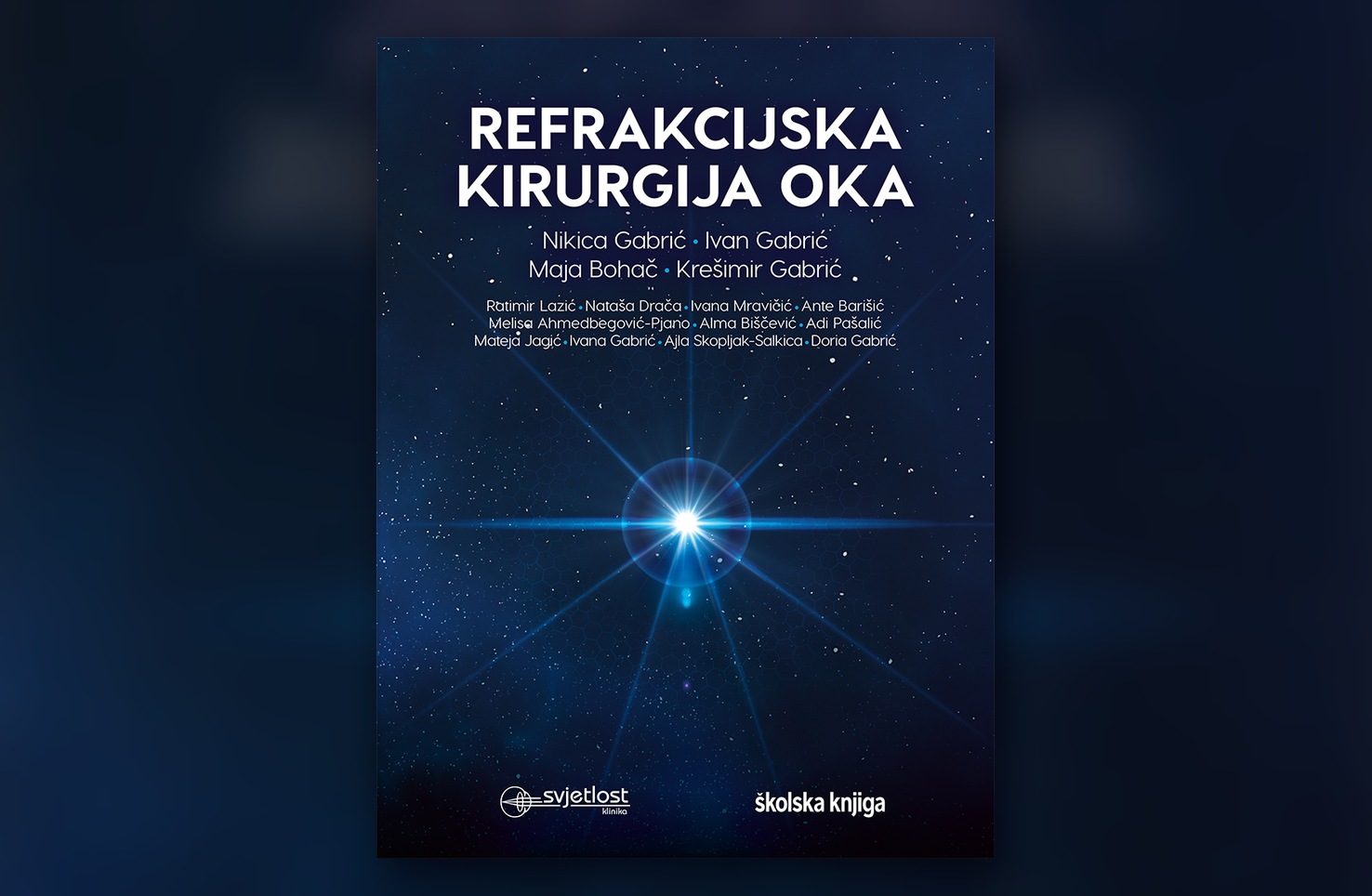
The experience of several generations is also brought together in the textbook Refractive Surgery (Refrakcijska kirurgija), published by Svjetlost Clinic and Školska knjiga and launched on the first day of the congress.
Rolando Toyos and Mateja Jagić on dry eye
The closing workshop was led by American ophthalmologist Dr Rolando Toyos and moderated by Dr Mateja Jagić of Svjetlost Clinic, with whom Dr Toyos worked closely in preparing this part of the programme.
“Dry eye treatment has come a long way since the days when artificial tears were the only option. Today we know it is a multifactorial disease that requires a comprehensive approach,” said Dr Rolando Toyos.
He presented the use of intense pulsed light, low-level light therapy and other approaches aimed at improving the function of the structures that produce and maintain the tear film. He also demonstrated how his protocol is applied in practice.
According to Svjetlost Clinic, it is the only clinic in the region to offer both the Toyos protocol and the associated technology for treating dry eye disease. The choice of therapy is based on detailed diagnostics, the cause of the symptoms and each patient’s individual condition.
In her lecture, Dr Mateja Jagić spoke about the importance of identifying and treating dry eye when planning refractive procedures.
Speaking about the future of Svjetlost Clinic and the congress, Professor Ratimir Lazić emphasised the continuation of its development work.
“Svjetlost will continue in this tradition, with even more innovation and even more leadership, both clinically and technically, rather than simply bringing in the latest technology and knowledge from around the world,” said Professor Lazić.
Day two brought to a close a congress that gave physicians the opportunity to compare experiences, learn about new methods and discuss how to apply them with the colleagues who are developing them. Svjetlost Clinic would like to thank all speakers, participants and partners for sharing their knowledge and for their collaboration.
Istražite naše novosti i stručne blogove
News & Expert advice
-
![]()
News
16th CSCRS International Congress
CSCRS Day 1: New Trends in Ophthalmology.
-
![]()
News
The World’s Leading Ophthalmologists in Zagreb
A cornea made on a 3D printer, a telescope implanted in the eye and a robot that operates on the retina. All of this is coming to Zagreb for the 16th Congress “New Trends in Ophthalmology”.
-
![]()
News
Svjetlost Eye Clinic Publishes the First Croatian Textbook on Refractive Surgery
On 20 November, the first day of the 16th Congress of the Croatian Society for Cataract and Refractive Surgery (CSCRS), “New Trends in Ophthalmology”, Svjetlost Eye Clinic will publish the textbook Refrakcijska kirurgija (Refractive Surgery).