



Refractive Lens Exchange
I want to read and work without eye strain.
01
What is presbyopia (reading diopter)?
After the age of 45, the first changes in vision begin to occur. In people who previously had good vision or were farsighted, near vision gradually weakens, and reading becomes more difficult, often with the feeling that “arms have become too short.” Over time, distance vision can also weaken.
This is a natural process of eye aging called age-related farsightedness or presbyopia. It occurs due to the reduced elasticity of the natural lens of the eye and the weaker ability of the eye to focus on near objects. Over time, the ability to accommodate decreases, and the need for reading glasses gradually increases.
As a result, many people start using multiple glasses for reading, working on the computer, driving, or watching TV. This dependence on vision aids can make everyday activities more difficult, especially during sports, traveling, or being outdoors.
Presbyopia can be corrected with glasses, contact lenses or surgery, and an increasing number of patients are opting for a surgical solution.
One option is to replace the natural lens of the eye with multifocal lenses or lenses with an extended range of vision (EDOF lenses), which allow for quality vision at more distances.
For selected patients, a laser solution is also possible using the PresbyMAX method, which uses special laser technology to improve vision at near and distance.
02
Is this procedure for me?
Refractive lens exchange can be the right solution for people who want to improve their vision at different distances and reduce their dependence on glasses for reading, computer work, and everyday activities.
Refractive lens exchange may be a good choice if:
You notice difficulty focusing on close-up objects, reading, or working on the computer
You experience eye strain or fatigue when looking at things up close
You often use different glasses for different distances
You notice that your “arms are getting too short” when reading
You are over 40 years old
You want a long-term solution without glasses
During the initial examination, our specialists carefully assess your eye health, vision needs, and lifestyle habits to choose the most appropriate method of presbyopia correction – either by implanting multifocal lenses or lenses with an extended range of vision, or a laser approach such as the PresbyMAX method.
The examination includes visual acuity testing, intraocular pressure measurement, biomicroscopic examination of the eye, and pupil dilation for precise diopter assessment.
Additional diagnostic tests include IOL Master (lens power determination), corneal imaging (topography), OCT of the macula, ocular ultrasound, and endothelial cell count. The examination concludes with a detailed biomicroscopic examination of the fundus.
03
Refractive lens exchange
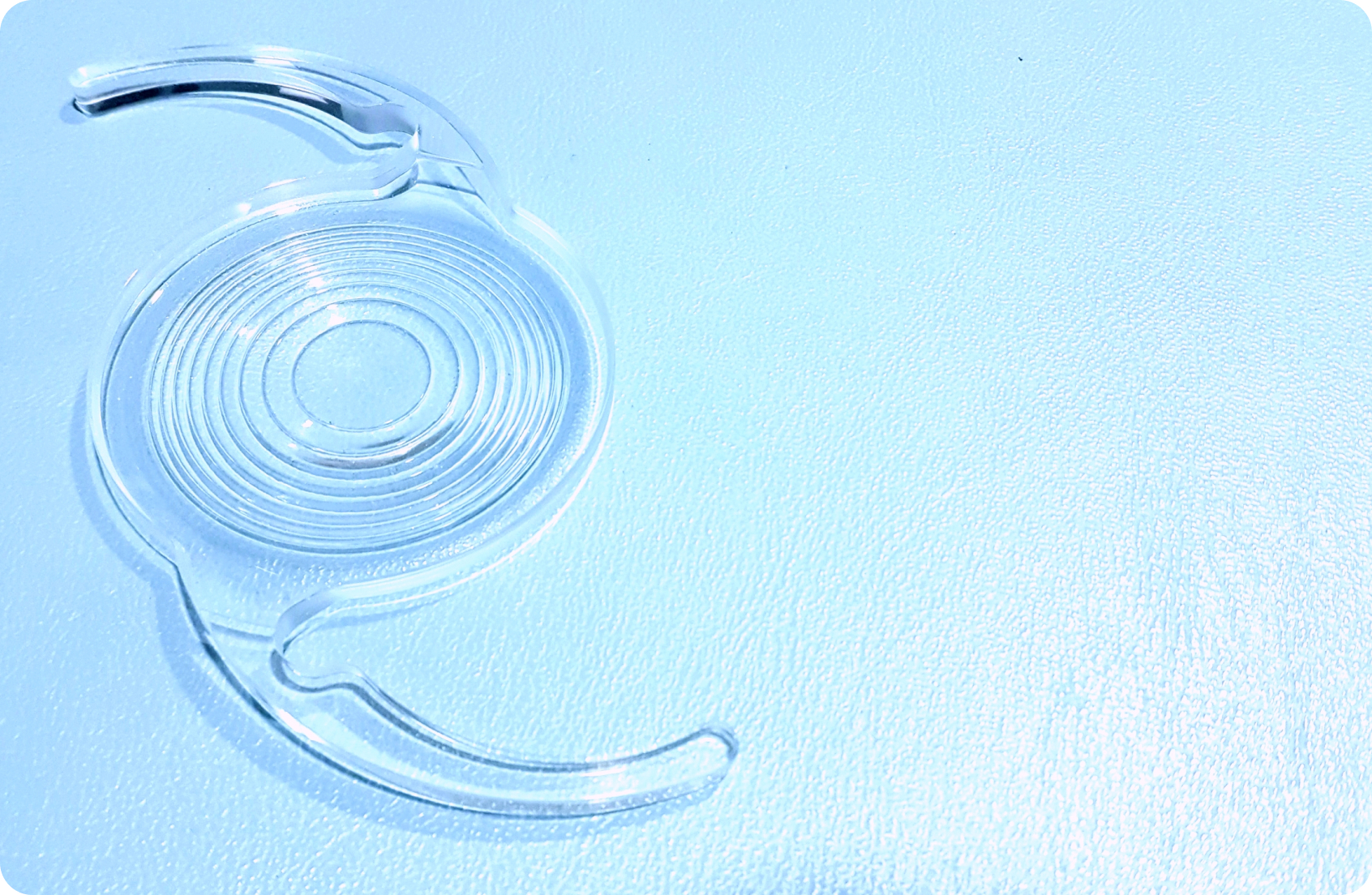
Multifocal intraocular lenses
With the advancement of technology, multifocal intraocular lenses have been developed, which have two or three focuses and enable the patient to see well at different distances without glasses. Most multifocal lenses are bifocal and provide good distance and near vision, with slightly weaker vision at medium distance (80-100 cm).
The latest generation of multifocal lenses are trifocal lenses, which, in addition to good distance and near vision, also provide good vision at intermediate distances, which is especially important for patients who work a lot at a computer.
TECNIS Odyssey™ IOL
The TECNIS Odyssey™ IOL is the latest generation of intraocular lenses for the correction of presbyopia. It is designed to provide continuous, high-quality vision at all distances – from reading and computer work to driving and outdoor activities. Advanced optical technology provides a wide range of vision with high image quality and significantly reduces dependence on glasses.
TECNIS PureSee™ IOL
The TECNIS PureSee™ IOL meets the needs of modern patients who lead active lives and want clear vision at various distances. It was developed to meet the diverse visual needs during everyday activities.
The TECNIS PureSee™ IOL is an intraocular lens for the correction of presbyopia that provides high-quality vision day and night. Thanks to advanced optical technology, it provides excellent distance and intermediate vision and functional near vision, with reduced dependence on glasses.
The Svjetlost Eye Clinic is among the leading centers of ophthalmological excellence in the world for the implantation of Johnson & Johnson PureSee lenses.
TECNIS Synergy™ IOL
Svjetlost Eye Clinic was among the first three clinics in the world to offer its patients the option of implanting TECNIS Synergy™ lenses.
Synergy combines extended vision technology for distance and intermediate vision with multifocal technology for near vision. It is specifically designed for patients who want to be as independent as possible from glasses, including demanding near activities such as reading small text or using mobile devices.
04
Procedure and recovery after lens implantation
What does the procedure look like?
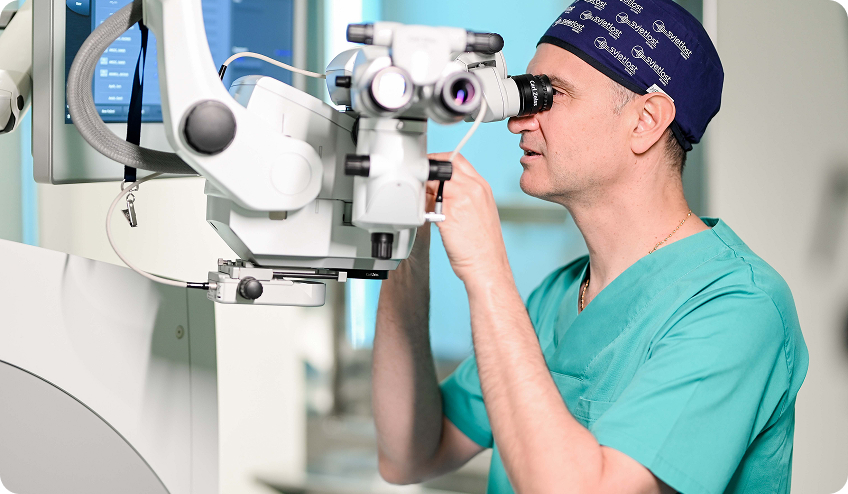
The procedure for implanting multifocal or extended vision lenses is very straightforward and is performed on an outpatient basis under local drop anesthesia. For faster rehabilitation, it is best to replace the lenses in both eyes at the same time.
The patient arrives at the ophthalmology clinic an hour before the surgery. Dilated pupil drops and topical anesthesia are applied. The procedure itself takes about ten minutes and is completely painless.
What does recovery look like?
About fifteen minutes after the eye surgery, the patient goes home and should avoid strenuous activity that day. Visual function recovers very quickly and the patient returns to their daily activities within a few days. Eye drops are required during the recovery period.
Follow-up examinations are on the first postoperative day, seven days after surgery, and three weeks after surgery. During this period, there are no restrictions in terms of visual function.
It is only recommended that the patient refrain from heavy physical exertion. It is forbidden to wash with tap water for the first three days, and it is recommended to avoid rubbing the eye, excessive bending and lifting heavy loads for the first month after the procedure.
05
PresbyMAX – laser correction of presbyopia
PresbyMAX is a special method of laser correction of presbyopia, which is performed in addition to the SmartLASIK method of laser vision correction.
Unlike the standard laser procedure, which corrects one focal distance, PresbyMAX is specially designed for patients who need reading glasses and the need to see at different distances.
The laser precisely reshapes the cornea to improve vision at different distances and reduce the need for glasses. This reduces dependence on glasses for everyday activities such as reading, working on the computer or driving.
PresbyMAX is intended for selected patients who are not ideal candidates for a standard laser procedure due to initial presbyopia, but at the same time are not yet candidates for refractive replacement of the natural eye lens.
The procedure is performed with the SCHWIND ATOS and SCHWIND AMARIS 1050 lasers, which create a flap in the cornea, under which the excimer laser
reshapes the tissue to correct the refractive error.
After the procedure, patients show a high degree of satisfaction due to the freedom they gain for many years until the eventual need for refractive lens replacement.
06
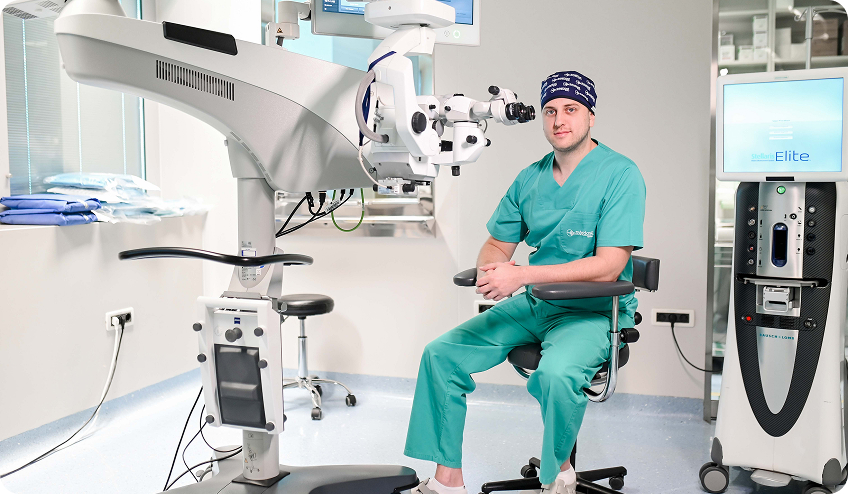
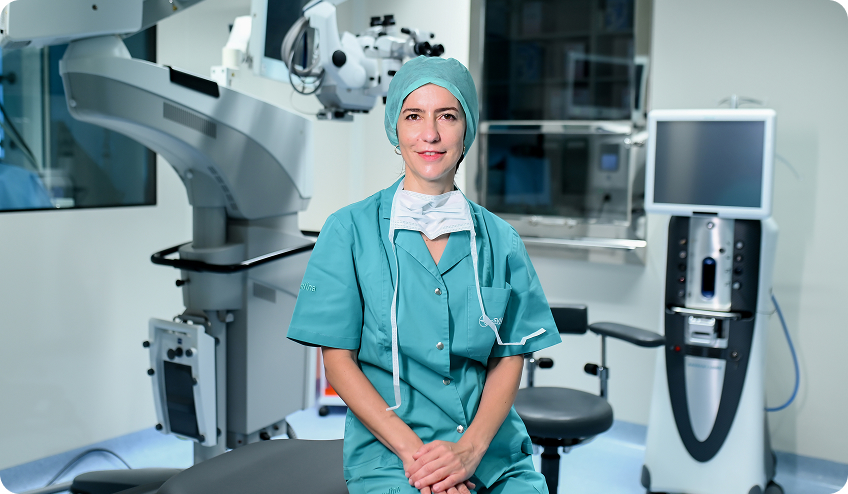
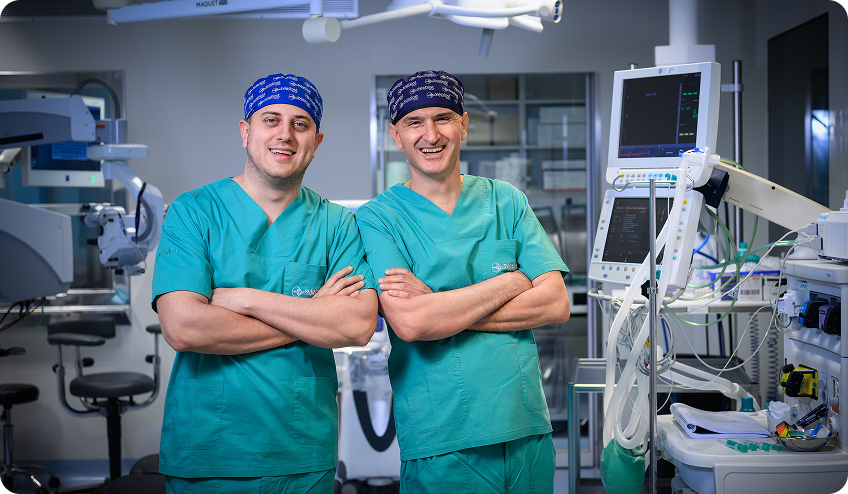
Your medical team – our surgeons
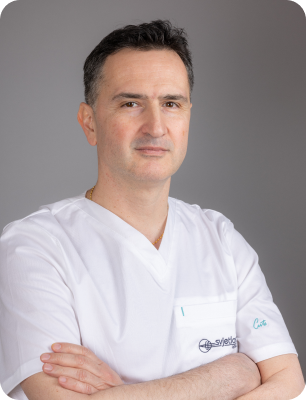
Ophthalmologist
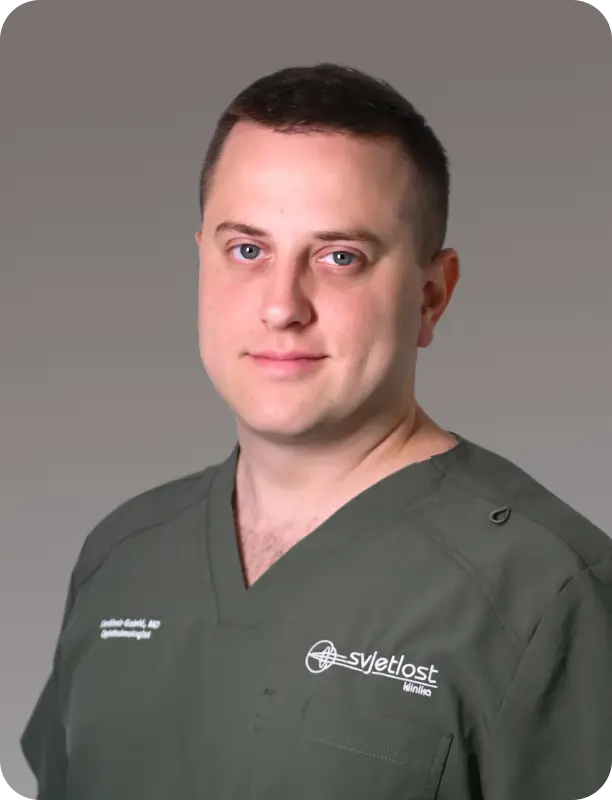
Member of the Management Board

Ophthalmologist
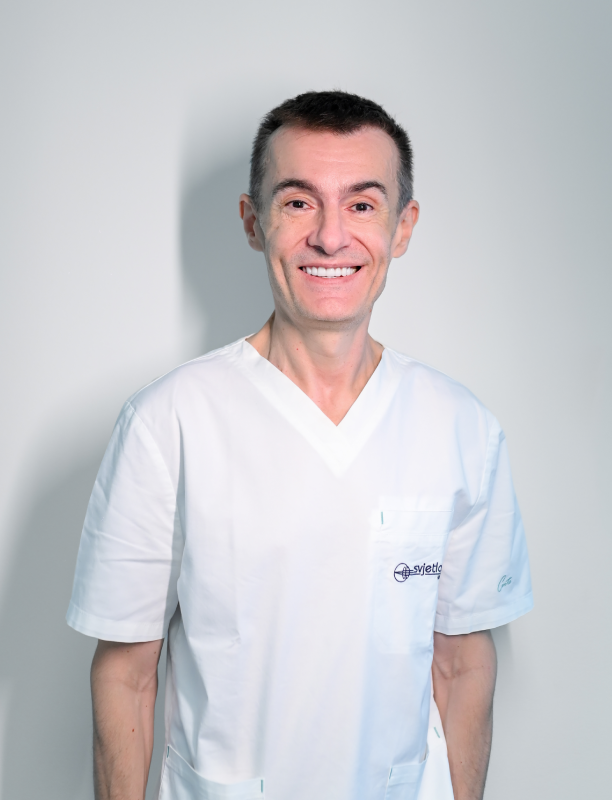
Ophthalmologist
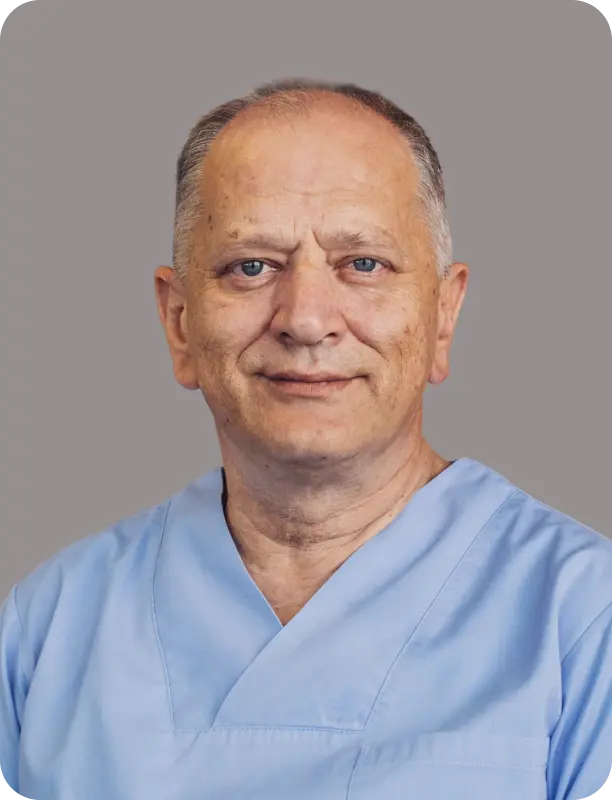
Founder of Svjetlost Eye Clinic
07