
News
Vision correction surgery is the most commonly performed procedure in medicine
International Scientific Symposium “Advances in Ocular Refractive Surgery” Held by HAZU and Svjetlost Eye Clinic.
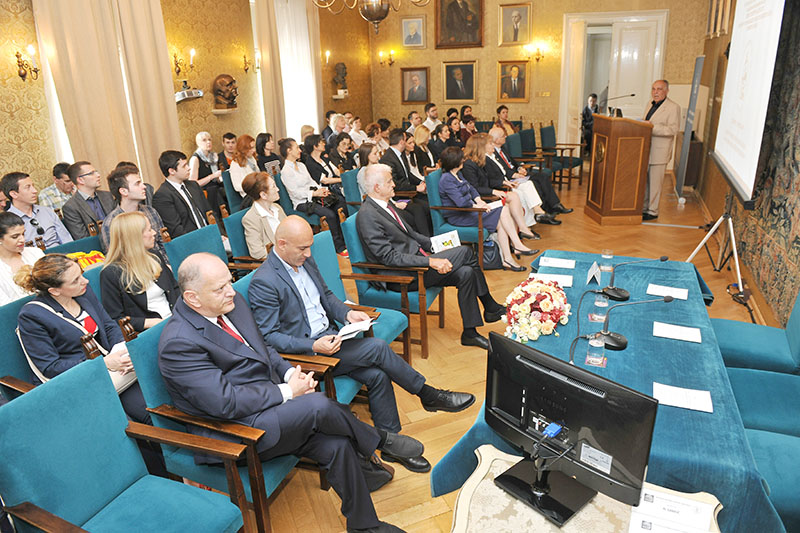
Zagreb, June 10, 2016 – An international scientific symposium entitled “Advances in Ocular Refractive Surgery” was held today at the Croatian Academy of Sciences and Arts (HAZU), co-organized by the Academy’s Department of Medical Sciences and Svjetlost Special Hospital for Ophthalmology. The symposium brought together leading ophthalmologists and renowned refractive surgery experts from Croatia and abroad.
The scientific symposium was opened by the host, President of HAZU, Academician Zvonko Kusić. “Hosting an international symposium such as this, where the latest advances in ophthalmology are presented, is a privilege. Since this is the third time we have organized the symposium, we are also creating an ophthalmological tradition within the Department of Medical Sciences,” Academician Kusić said.
Among the distinguished international experts who delivered lectures were Prof. Ewa Mrukwa-Kominek, a member of the Board of the European Society of Cataract and Refractive Surgeons (ESCRS); Assoc. Prof. Navid Ardjomand from the University Hospital in Graz, who presented the latest method of laser vision correction for myopia; and Prof. Slobodanka Latinović, who presented new developments in the laser treatment of presbyopia.

Among the Croatian experts, ophthalmologists from the Svjetlost Clinic, the largest ophthalmology clinic in the region, delivered lectures on new technologies in vision correction. The Director of the Svjetlost Clinic, Prof. Nikica Gabrić, MD, PhD, gave a lecture entitled “Multifocal Lens Implantation After LASIK.” The Clinic’s Medical Director, Prof. Iva Dekaris, who was also the symposium organizer, spoke about correcting presbyopia with multifocal lenses. Dr. Ante Barišić, Head of the Cataract Department, presented toric multifocal intraocular lenses for the correction of astigmatism and presbyopia, while Dr. Maja Bohač, Head of the Refractive Surgery Department, focused her presentation on correcting high refractive errors using posterior phakic ICL lenses.
“Ocular refractive surgery (i.e. vision correction surgery) is the most commonly performed surgical procedure in medicine. Over the past two decades, advances in technology have brought about a true revolution in the field. It is estimated that around 40 million people have already undergone laser vision correction. During Svjetlost Clinic’s 18 years of operation, we have corrected the refractive errors of almost 60,000 eyes. We are pleased to have the opportunity to host renowned ophthalmology experts here in Zagreb and share our practical experience with them,” said Prof. Iva Dekaris, the symposium organizer.
When it comes to new methods and the use of the most advanced technology available, Svjetlost Clinic is at the forefront of trends in this part of Europe. This is further demonstrated by the “Ophthalmology Oscar,” an award won by a team of Svjetlost Clinic experts at the 2015 Videocatarattarefrattiva Congress in Milan, competing against a strong international field.
Istražite naše novosti i stručne blogove
News & Expert advice
-
![]()
News
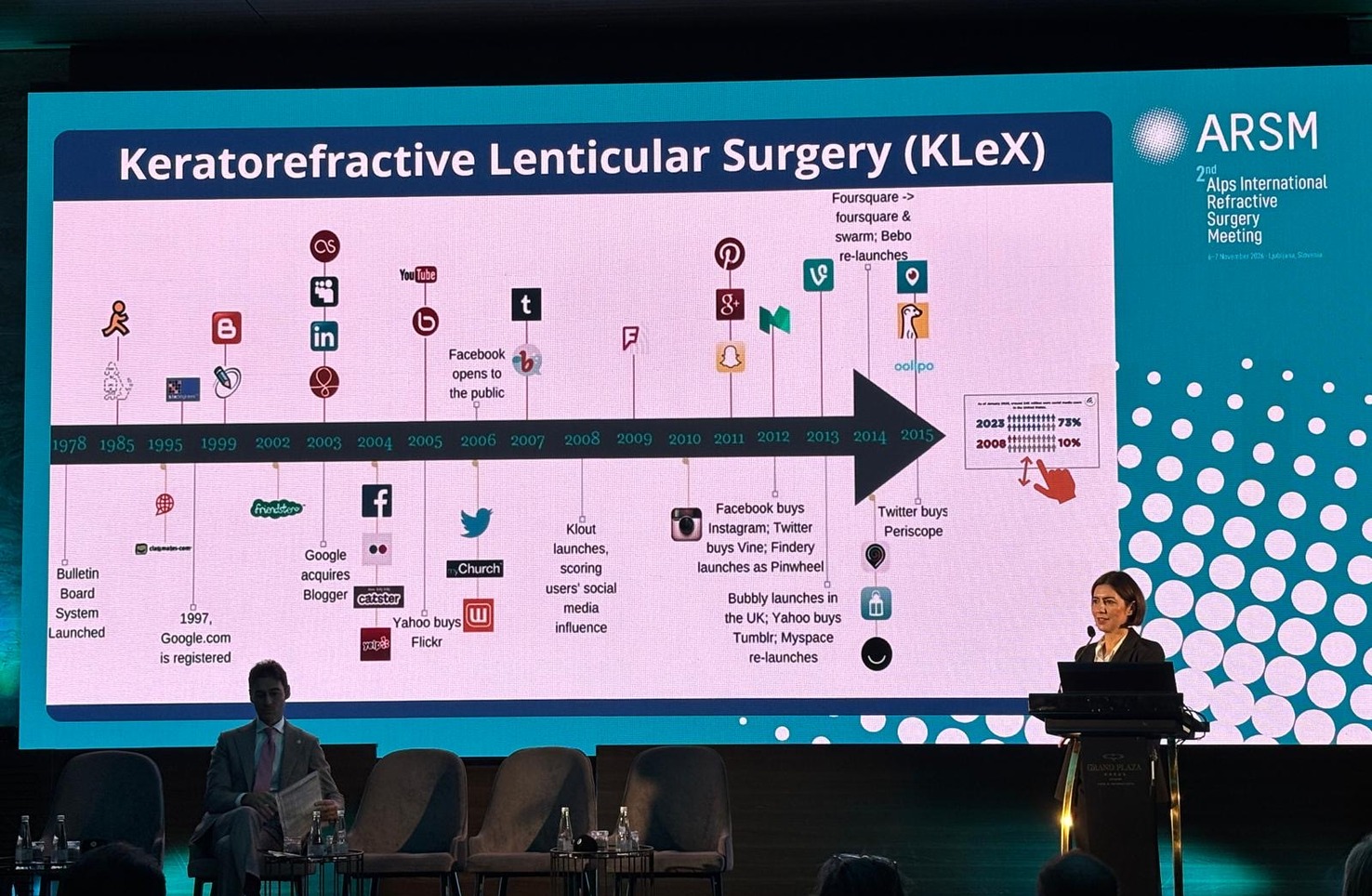
Prof. Maja Bohač at the 2nd ARSM in Ljubljana
Prof. Maja Bohač, MD, PhD, Head of the Department of Refractive Surgery at Svjetlost Eye Clinic, gave an invited lecture titled “Current State of Lenticular Extraction” at the 2nd Alps Refractive Surgery Meeting (ARSM).
-
![]()
News
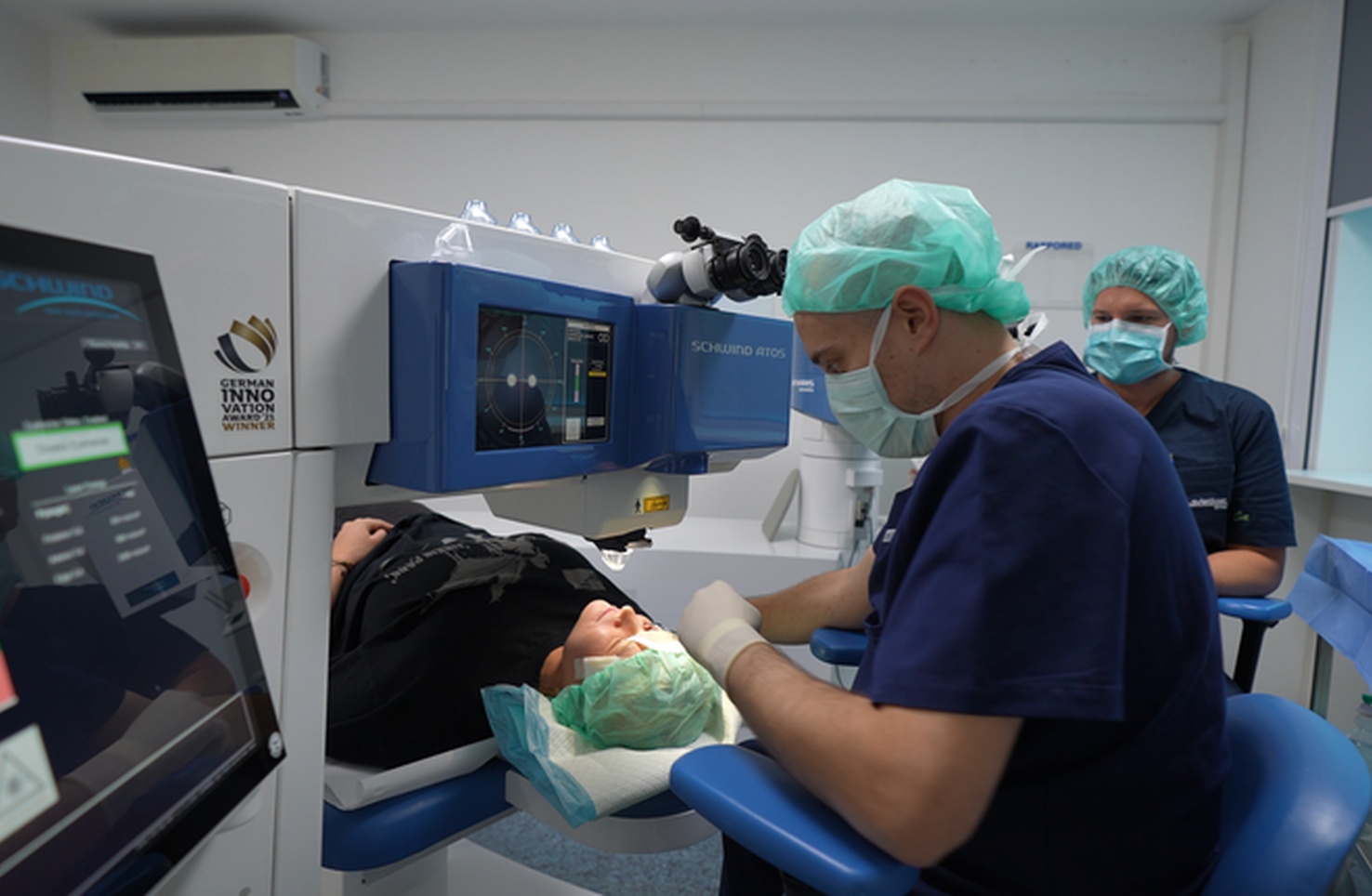
Croatian surgeon becomes second in the world to perform a new laser vision correction method
That’s why more and more people are considering laser vision correction. But some have already been told at an eye exam that they aren’t good candidates because their prescription is too high or their cornea is too thin. For some of them, there is now a new solution.
-
![]()
News
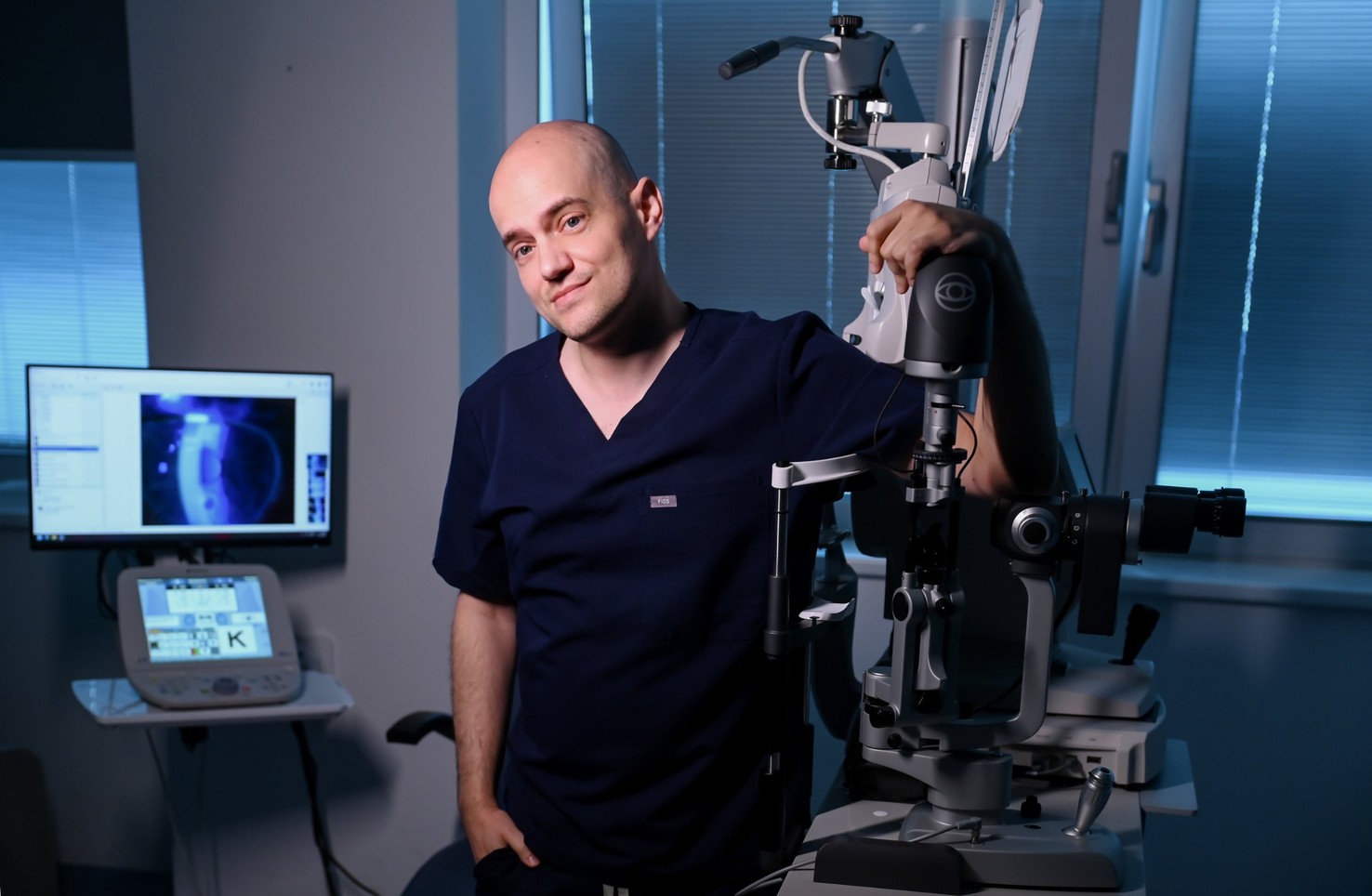
Svjetlost tests the reliability of advanced vision diagnostics across more than 30,000 scans
A scientific paper by Ivan Gabrić, Ivan Samuel Modrić and Filip Grulović, based on a registry of 2,533 eyes, shows how important standardised image acquisition and quality control are for a reliable assessment of the eye's optics.